Your Group Chat Is TV's Loudest Co-Star
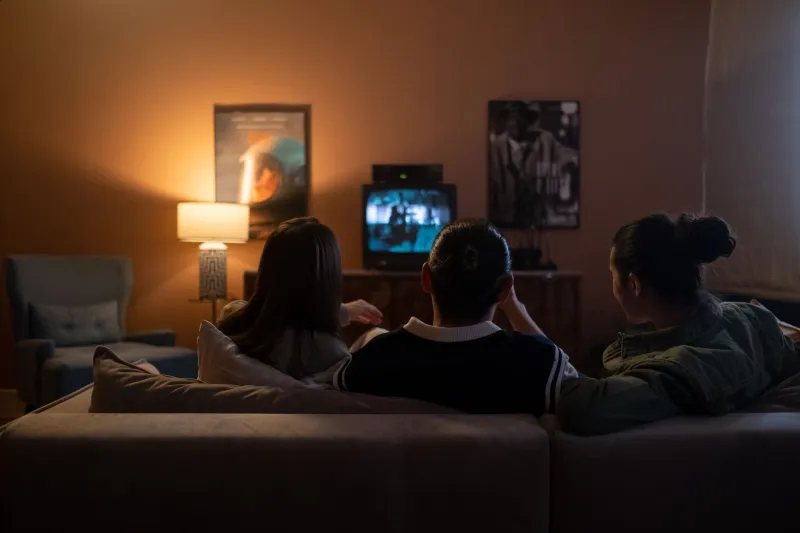
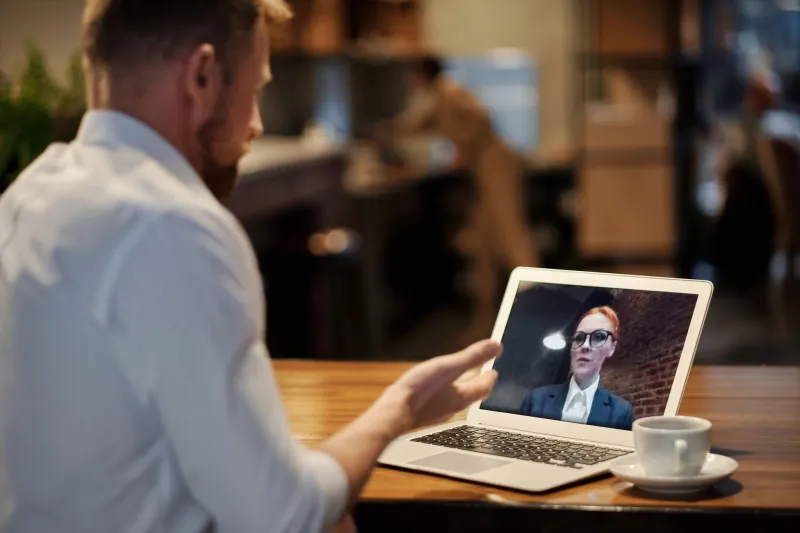
The first thing that happens after a big TV moment in 2026 is not a gasp. It is a phone buzz. A screenshot lands in the group chat. Someone posts a three-word reaction. Someone else has already made the face into a sticker. By the time the credits roll, the scene has been clipped, captioned, paused, memed, and argued over in at least four apps. The episode is still airing. The conversation has already moved on.
That is not a distraction from television. It is television now. The second screen has become the co-star, the laugh track, the live audience, and the critic all at once. And the people who make shows know it.
The Show Doesn't End at the Credits
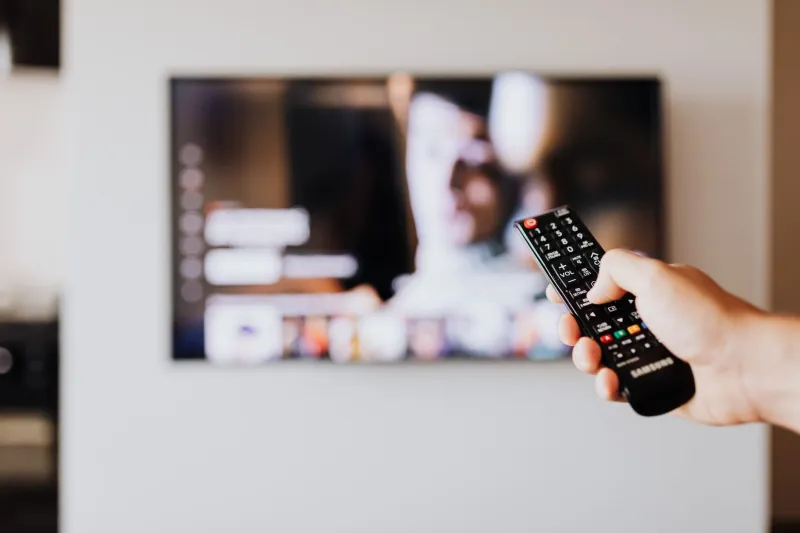
For years, the industry treated live-posting as a marketing side effect. You aired the episode, you watched the numbers, and maybe you checked the timeline the next morning. In 2026, the timeline is the morning-after report, the focus group, and the watercooler rolled into one. A show can be merely good on screen and enormous online, or sharp on screen and dead in the chat. Both outcomes shape what gets renewed.
That is why the group chat matters as a text. When a friend texts a single emoji during a tense dinner scene, that is not noise. It is an interpretation. When a clip circulates without context and still lands, the scene has survived a stress test. When a moment only works with a thousand people explaining it in real time, that tells you something about the scene too. The second screen is where the audience finishes the episode.
Writing for the Pause Button
Showrunners are not stupid. They can see where the reactions cluster. They know a reveal will be screenshotted before the next line of dialogue. They know a monologue will be trimmed into a fifteen-second vertical clip. They know a cliffhanger will be debated before the next episode drops. So the writing has started to account for it. A pause is placed where a phone will come out. A reaction shot is framed so it can carry a caption. A line is written to be quotable, not just hearable.
This is not automatically a bad thing. Television has always been shaped by its delivery system. Commercial breaks once dictated act structure. Cable changed what could be said. Streaming changed how seasons breathe. The second screen is just the latest pressure point. The problem is when the pressure point becomes the point. A scene built only to be clipped is a scene that stops living inside the episode. It becomes a billboard for itself.
The best 2026 shows understand the difference between a moment that travels and a moment that only exists to travel. The former can survive the group chat because it was already alive in the room. The latter arrives pre-packaged, begging for a reaction, and the chat can smell the desperation.
Critics Need to Review the Room
Here is where criticism has to catch up. A review that only describes the episode is now incomplete. The second screen is part of the text. That does not mean every review needs a timeline recap or a reaction-video roundup. It means critics should ask how a show behaves when it leaves the screen. Does it invite genuine conversation, or does it demand a performance of conversation? Does the live-post culture around it clarify the story, or flatten it into a series of punchlines?
Audiences are already doing this work. They are not just watching a show; they are watching how the show is watched. The group chat is a writers' room in reverse. It edits in real time. It decides which characters are beloved, which plots are boring, and which scenes deserve a second life. A critic who ignores that is reviewing a product, not a cultural event.
The Risk of Performing for the Group Chat
The danger is obvious. If showrunners write for the clip and audiences watch for the post, the episode becomes raw material for the reaction. The story gets thinner. The characters become avatars. The chat becomes louder than the show, and then the show starts sounding like the chat.
But the answer is not to scold viewers for looking at their phones. The second screen is not going anywhere. It is how a lot of Americans watch television now: half in the story, half in the conversation, fully aware that the two are feeding each other. The smarter move is to treat that as part of the art. Write scenes that can survive a pause and a post. Review the episode and the room it creates. The group chat is not ruining television. It is just the newest place where television happens.