The Pull Quote Has a Username Now
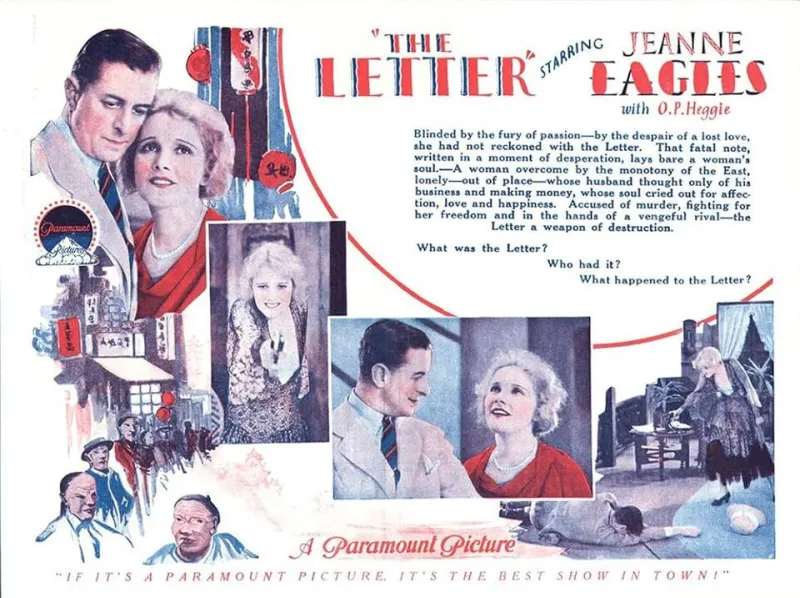
Photo: Jean de Limur, Public domain, via Wikimedia Commons
There is a poster in a multiplex lobby right now—some mid-budget thriller with a moody teal gradient—and across the bottom, in that familiar quotation-mark font, it reads: "I gasped so loud my dog left the room." The attribution is not a newspaper. It is not a guild member. It is @maddie_rewatches, a Letterboxd account with a little over 300 followers and an avatar of a cat in a bucket hat.
This is not an anomaly anymore. It's a workflow. Somewhere in the last two years, the people who build marketing campaigns figured out that the single most screenshot-able sentence about their movie is usually not written by a professional critic. It's a diary entry. A four-star rating with a punchline attached. And they have started treating that punchline as a marketing asset the same way they'd treat a rave from a legacy outlet—except cheaper, faster, and considerably more flattering.
The Screenshot Is the New Blurb
The old pull-quote economy had a built-in chain of custody. A critic saw the movie, filed 800 words, an editor trimmed the sharpest sentence, and the studio licensed it. You could trace the line back. There was a publication, a byline, a date, an argument.
The new version skips all of that. A studio social team scrolls the Letterboxd reviews tab for a title that just screened for press, finds the funniest or most emotional line, crops it, drops it on a story slide or a quote graphic, and hits post. Sometimes the username makes the cut. Sometimes it's blurred into a soft gray smudge that reads like "a real person said this" without any obligation to identify which one.
And look—it works. It works because a stranger on Letterboxd sounds like your friend, not like a press release. A line like "this movie ruined my week in a good way" carries a texture that no official blurb can manufacture. Studios aren't stupid for noticing. They'd be negligent not to.
What Four Stars Actually Means
Here's where the logic gets shaky. A professional rave is a claim about quality. A Letterboxd four-star review is a claim about a vibe, and frequently the star rating is the least informative part of the post. Users rate on a scale that bends around irony, rewatches, franchise loyalty, and how good the snacks were. A four-star entry can mean "genuinely excellent," or it can mean "I had a great time making fun of this," or it can mean "I am contractually obligated to this director."
When a marketing team lifts the joke and leaves the rating, the ambiguity doesn't travel. The poster presents the sentence as consensus. The reader supplies the rest: someone loved this. Maybe they did. Maybe they were being sarcastic about a scene that was objectively terrible, and the sarcasm was the entire point, and the studio has just quoted a bit as a testimonial.
This is context collapse in its purest form. A diary entry is a text message to a small audience of people who know your taste. A poster quote is a broadcast to millions who know nothing about you except that your handle sounds fun. Those aren't the same speech act, and no amount of tasteful typography makes them the same speech act.
The Incentive Problem Nobody Wants to Name
There's a quieter cost. Once users learn that studios are watching the reviews tab for material, the reviews tab starts optimizing for studios—whether anyone admits it or not. The one-liner gets rewarded. The screenshot-ready sentiment gets rewarded. The 900-word personal essay about why this movie reminded you of your father gets buried under "the lighting in this is doing WAR CRIMES."
Letterboxd's own design already nudges this way: popular reviews float to the top, likes are currency, and the whole app rewards being quotable. Add a real-world payoff—your joke on a bus shelter in Los Angeles—and the incentive structure tightens. You are now, functionally, an unpaid copywriter auditioning in public.
And unpaid is the word. These blurbs are being harvested from a platform where users post for free, for fun, for their friends. Most of them never consented to appear in a campaign. Some studios have started sliding into DMs for permission after the fact; others just take the quote and let the account name float in eight-point type near the bottom edge. The compensation is exposure, allegedly, in a format where exposure has never once paid a rent bill.
What We Lose When the Best Review Is a Screenshot
None of this is a tragedy. Nobody's dinner is ruined. But something gets flattened. Film criticism—the amateur kind included, arguably especially the amateur kind—is at its best when it's an argument you can follow. A paragraph of setup. A joke that lands because of the two sentences before it. A rating you can disagree with and a reason you can push back on.
A screenshot is none of those things. It's a fragment with a border around it, and the border is doing the work of credibility. When every movie's most visible review is a cropped joke, audiences get a marketing surface dressed up as word of mouth, and the actual conversation—messy, contradictory, occasionally wrong—happens a layer down, where the studios aren't looking.
Which is, honestly, the best place for it. The reviews tab should be the one part of the internet nobody is farming. The moment it becomes a supply chain for pull quotes, the weirdest and most honest thing about Letterboxd—that people write about movies there for no reason at all—starts to curdle into a submission process.
So enjoy the joke while it's still a joke. Once it's on a poster, it's a slogan, and slogans don't gasp. They sell.