TV's Opening Credits Are Not a Loading Screen
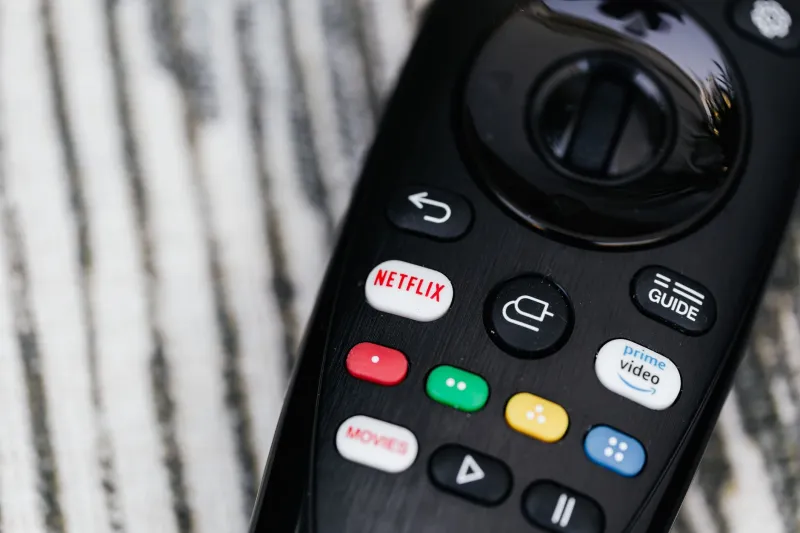
The skip intro button is one of the most efficient features streaming ever shipped. It is also one of the most quietly destructive. With one click—or, increasingly, one remote-control twitch during the first three seconds—it tells viewers that the opening credits are a toll booth on the way to the actual show. No thanks. We will take the plot from here.
That trade-off felt harmless when it was optional. In 2026, it is closer to the default. Autoplay queues the next episode before the credits finish. Streamers shrink end credits into a corner card so a countdown can sell you something else. Some shows now open with a cold scene, slap the title on screen for four seconds, and sprint into Act One. The theme song is treated like a loading screen with music.
The theme song used to do narrative work
Opening credits are not decoration. They are a contract. The Sopranos used a drive up the New Jersey Turnpike as a thesis statement about a man commuting between family and crime. Mad Men's falling man told you everything about identity, ambition, and free fall before Don Draper mixed his first drink. The Simpsons turned the couch gag into a weekly joke with its own grammar. Succession's home-video montage was a history of a family that hates itself, cut to a score that made the hatred sound like inheritance. Peacemaker's dance number was a dare. The White Lotus theme became a punchline people recognized before the plot.
Those sequences did work that dialogue could not. They set tone, compressed backstory, planted motifs, and gave the audience a moment to settle into the show's rhythm. They were also, frankly, fun. A great title sequence is the show clearing its throat and saying: here is how we see the world. Skip it every week and you are not saving time. You are refusing the handshake.
The interface is writing the grammar now
The more interesting story is not that viewers skip. It is that 2026's biggest shows are designed around the skip. Title cards arrive as stings inside scenes. Main titles get trimmed to a logo and a drum hit. End credits are squeezed into a corner while the next episode loads. The opening sequence is no longer a destination; it is a risk. If it runs too long, the algorithm will punish it. If it runs too short, it barely exists.
That is not a neutral presentation choice. It is an aesthetic. Streaming interfaces teach viewers that friction is failure. Every pause is a chance to lose someone. So the industry responds by removing pauses—and then removing the things that created them. A show built for autoplay starts to look like a chain of cliffhangers with no rooms in between. The visual grammar flattens into cold open, title sting, plot, next. Repeat.
There is a counterargument, and it is fair: not every show needs a three-minute opener. A bad title sequence is a bad title sequence, and no one should be forced to sit through a mediocre song just because it took a licensing team six months to clear. The skip button is a useful tool. The problem is that it has become a design mandate. We are not choosing to skip more; we are being told, by the layout of the app, that there is nothing worth staying for.
What we lose when every opening is optional
We lose the ritual. Television used to have a built-in pause—a few minutes to process the last episode, to joke about the lyrics, to let a theme song worm into your week. That ritual was not filler. It was part of how a show lived in your head. The best theme songs became shorthand for a feeling. You hear the first few bars and you are back in that world.
We also lose the archive. Opening credits are some of the most expensive, experimental, and personal filmmaking on television. They are where showrunners hire directors and designers to make a short film every week. They are where a series can be weird without derailing the plot. If the industry stops making them because the data says we skip, the loss will not show up in a ratings chart. It will show up in the texture of the shows themselves.
The skip intro button is not evil. It is a convenience. But convenience culture has a way of sanding down the edges of the things we love, then calling the result efficient. In 2026, television is still capable of a great opening. We just have to stop treating it like a loading screen.