The Last Scene Is a Sales Funnel Now
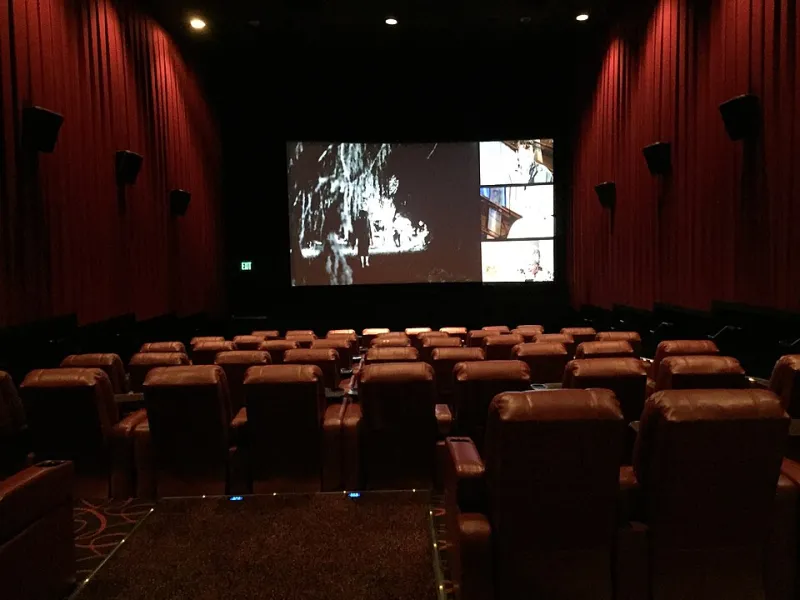
Photo: Famartin, CC BY-SA 4.0, via Wikimedia Commons
There is a particular modern theater moment that tells you everything about movies in 2026: the story ends, the screen fades to black, and half the audience starts rustling for jackets while the other half sits frozen, waiting for the last crumbs. Sometimes those crumbs are a joke. Sometimes they are a teaser for a sequel that may or may not exist. Increasingly, they are a pitch—a logo, a QR code, a whispered instruction to keep the subscription active because the real continuation lives somewhere else.
The post-credits scene used to be a secret handshake. Now it is often a sales funnel with a soundtrack.
The Stinger Used to Be a Secret Handshake
For a long time, the post-credits scene was fan service in its purest form. It rewarded the people who stayed put, who knew the lore, who wanted one more joke before the parking lot. The Marvel model turned it into a cultural habit, but the appeal was always slightly tribal: you stayed because you were in on it. The scene was not required to understand the plot. It was a bonus track.
That model worked because it felt generous. A filmmaker or studio was giving away a little extra instead of demanding a little more. Even when the extra was blatant franchise setup, it arrived as a treat. The audience could take it or leave it. The movie had already ended.
In 2026, the calculus feels different. The final minutes are no longer just a place for a wink. They are a place for business development.
From Easter Egg to Onboarding Screen
Watch enough new releases and you start noticing the pattern. The stinger is less likely to be a self-contained gag and more likely to be a piece of infrastructure. A character from a neighboring franchise appears. A title card announces a spinoff. A QR code flashes onscreen, promising deleted scenes, a podcast, a digital comic, or early access to something else. The movie is not simply teasing what comes next; it is routing you toward the next subscription surface.
This is not conspiracy. It is distribution logic. Studios have spent the last decade watching audiences fragment across platforms, and the post-credits scene is one of the few moments when everyone is still in the same room, still watching the same screen, still willing to give the movie one more minute of attention. That minute is valuable. Of course it has been monetized.
The problem is that the stinger was never supposed to feel like a business card. It was supposed to feel like a curtain call. When it becomes an onboarding screen, the emotional temperature drops. You are no longer being thanked for caring. You are being processed.
Franchise Maintenance Disguised as a Treat
The spinoff tease is the most obvious version of this shift. A supporting character gets a cryptic close-up. A logo appears in a font that is just familiar enough. The message is clear: this story is not a story so much as a node in a larger content graph. That can be fun. It can also be exhausting. When every ending is also a beginning, no ending gets to breathe.
Franchise maintenance has its place. Shared universes can be genuinely thrilling when they are built with care. But the post-credits scene has become the cheapest way to keep the machinery humming without doing the harder work of making the main story feel complete. It is a promise that costs almost nothing to make and puts all the pressure on the future. The audience leaves with a question mark instead of a feeling.
And in 2026, that question mark often comes with a call to action. Scan this. Follow that. Subscribe here. The stinger has learned the grammar of advertising: never let a moment of attention end without asking for something.
Closure Is the Casualty
None of this would matter if post-credits scenes were purely decorative. But they shape how we remember stories. A final scene can reframe everything that came before it. It can offer a joke that releases tension, a quiet image that seals a theme, or a small revelation that makes the whole movie feel larger. When that slot is reserved for marketing, the movie's last impression is not the filmmaker's last impression. It is the studio's.
That is the trade-off few people are naming. The post-credits scene is a tiny piece of real estate, but it sits at the exact point where an audience is most emotionally open. It is the last thing they see before the lights come up. Filling that space with a QR code or a spinoff title card does not just add noise. It subtly teaches viewers that the story was never the point. The point was the ecosystem.
The "One More Thing" Tax
Audiences are not stupid. They can smell a pitch. The reason the best post-credits scenes still work is that they feel like a gift rather than a transaction. They are short, strange, and self-contained. They do not require you to download an app. They do not treat the credits as a captive audience for a product demo.
But the economics are pushing the other way. Streamers want retention. Studios want franchises. Marketing teams want measurable engagement. The post-credits scene is a rare patch of shared attention, and every department has a reason to claim it. The result is a final minute that often feels like it was approved by a committee and scored by a brand strategist.
There is also a trust issue. When a movie trains you to sit through the credits, it is asking for patience. When it rewards that patience with an ad, it is spending goodwill. Do that often enough and the ritual starts to curdle. People stop staying. Or worse, they stay and feel like suckers. Neither outcome is good for the kind of fandom studios claim to want.
What a Better Final Minute Looks Like
The fix is not complicated. If a post-credits scene exists, it should belong to the movie. It can tease a sequel, but it should not exist only to tease a sequel. It can be funny, eerie, or tender. It can be a deleted moment that deepens a character. It can be a thank-you to the crew. It can even be a QR code—if the code leads to something genuinely worth the effort and not just another funnel.
The standard should be simple: the stinger should make the movie feel more like itself, not more like a product line. That is the difference between a wink and a pitch. One says, "We had fun making this." The other says, "Please don't cancel your subscription."
In 2026, the post-credits scene is no longer a niche ritual. It is part of the marketing stack. That is fine as a fact, but it is not fine as a default. The final minutes of a movie are still a creative choice, and they deserve better than a sales deck with a fade-out. If studios want audiences to keep staying, they should remember why we stayed in the first place: not because we were promised more content, but because the story had earned one last look.