The Interface Is the Auteur: How Streaming Menus Edit the Movie Before You Do
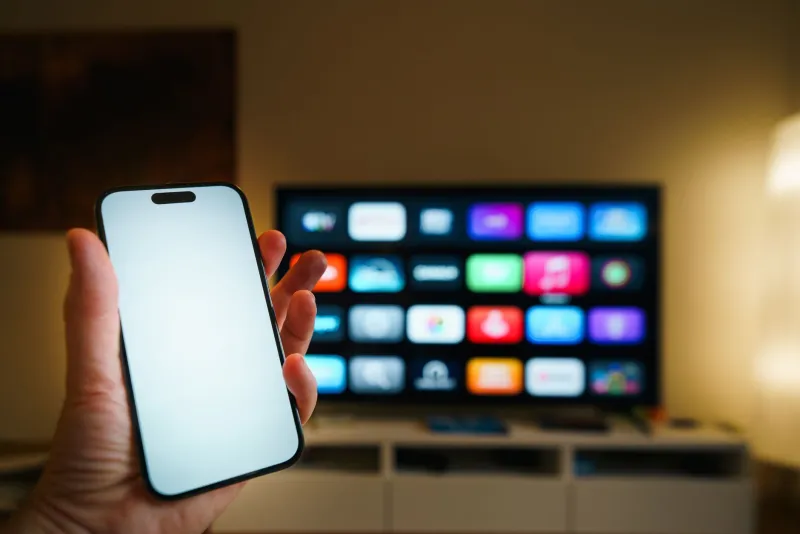
Before you press play on anything, you have already watched a movie. It is a tiny, algorithmically assembled movie made of thumbnails, hover previews, autoplay teasers, row placement, synopsis copy, and the order in which episodes load. It runs for maybe fifteen seconds. It is also, increasingly, the version of the work that sticks.
That is not a metaphor. The streaming interface is an uncredited co-director. It decides which frame represents a two-hour film, which episode greets a new viewer, which sentence summarizes a story, and whether the next thing starts playing before you have decided you want it to. The platform is not handing you a work and stepping aside. It is warming up the room, dimming the lights, and whispering in your ear before the actual director gets a word in.
The Thumbnail Is a Trailer You Did Not Ask For
A thumbnail is not a poster. A poster is designed to stand alone, in public, for a movie that needs to announce itself. A thumbnail is designed to win a click inside a grid, against dozens of other thumbnails, on a screen you are probably looking at while doing something else. Those are different jobs, and they produce different images.
Streaming services know this. They test faces, colors, expressions, and even alternate cuts of the same scene. A drama becomes a thriller if the right eyebrow is raised. A comedy becomes a rom-com if two actors are placed close enough together. A movie about grief becomes a movie about a haunted house if the lighting is pushed just so. None of this is necessarily malicious. It is marketing. But marketing is an interpretation, and when the interpretation arrives before the work, it becomes part of the work's public identity.
Autoplay Is a Cold Open With a Countdown
Autoplay previews are even more aggressive. They do not wait for you to ask a question. They start answering one you have not finished forming. A teaser begins, music swells, a joke lands, a cliffhanger flashes, and then a countdown appears. You have three seconds to reject the premise. Most people do not. Most people let it roll.
That is not passive viewing. It is a manufactured first act. The platform has chosen the tone, the pacing, and the moment of interruption. It has also chosen what not to show you: the quiet opening, the long take, the ambiguous first scene that a director might have wanted you to sit with. Autoplay is a cold open with a timer, and the timer is always on the platform's side.
The Synopsis Is a Review Written by a Robot
AI-assisted synopses are a special kind of editorial vandalism, even when they are accurate. They flatten tone into keywords, reduce ambiguity to plot, and spoil turns that a human publicist might have protected. They also make every movie sound like every other movie. A family drama becomes a story about a family coming together. A horror film becomes a story about a terrifying secret. A comedy becomes a story about an unlikely friendship. The sentences are not wrong. They are just dead.
Critics spend hours arguing about what a work is doing. The platform spends seconds deciding what it is about. That summary then becomes the frame through which millions of viewers encounter the thing itself. If the synopsis says the movie is a romp, viewers watch for a romp. If it says the movie is a slow-burn character study, viewers watch for that. The copy is not neutral. It is a review written by a robot, and it is often the only review a viewer will read.
Episode Order Is an Edit
Television has always been edited by scheduling, but streaming made the edit invisible. Platforms can reorder episodes, auto-skip intros, collapse recaps, and surface a later season before an earlier one. They can decide that a pilot is too slow and start you on episode two. They can bury a bottle episode. They can make a serialized show feel like a procedural by serving episodes in a different sequence.
Sometimes this is helpful. Sometimes it is a rescue mission. But it is always an edit. A director spends months deciding where a story begins. A platform spends an afternoon deciding where your story begins. Those are not the same decision, and pretending otherwise is a failure of criticism.
What Critics Owe Audiences
The old critic's job was to describe the work and judge it. The new critic's job is also to describe the interface that delivered it. Did the thumbnail misrepresent the tone? Did the autoplay spoil the best joke? Did the synopsis turn a tragedy into a thriller? Did the episode order make a slow-burn series feel like a bingeable one? These are not side notes. They are part of the viewing experience.
Audiences deserve to know when the platform has shaped the first impression. They also deserve critics who will say so without pretending the interface is invisible. The streaming menu is not a lobby. It is a director's chair, and someone is sitting in it. We should at least name the person, or the algorithm, who keeps yelling action before the movie has even started.